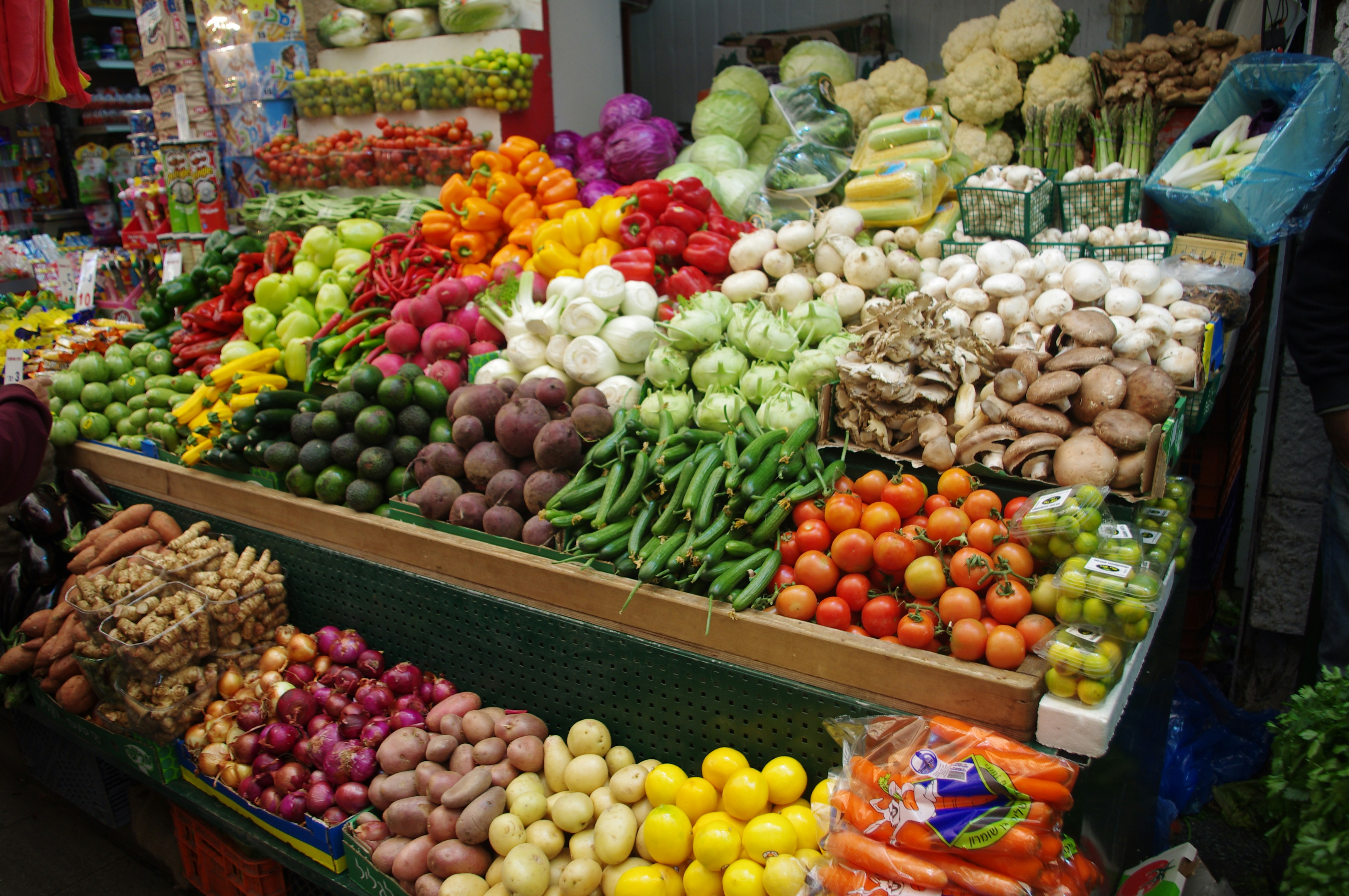
Sustainable farming is becoming increasingly important in Ghana as farmers face challenges such as climate change, soil degradation, and rising food demand. By adopting responsible agricultural practices, farms can protect the environment while ensuring consistent food production for future generations.
Sustainable farming is becoming increasingly important in Ghana as farmers face growing challenges such as climate change, soil degradation, unpredictable rainfall patterns, and rising demand for food. Agriculture remains a major source of livelihood for many Ghanaians, making it essential to adopt farming practices that not only increase productivity but also protect natural resources for future generations.
One of the key benefits of sustainable farming is its ability to preserve soil health. Continuous farming without proper land management often leads to soil erosion, nutrient loss, and reduced crop yields. Sustainable practices such as crop rotation, organic fertilization, and responsible land use help maintain soil fertility while reducing long-term damage. Healthy soil ensures better harvests and supports consistent food production year after year.
Climate change has also had a significant impact on farming in Ghana. Erratic rainfall, prolonged dry seasons, and extreme weather conditions make traditional farming methods less reliable. Sustainable farming encourages efficient water use, improved irrigation systems, and climate-smart agricultural techniques that help farmers adapt to changing environmental conditions. These approaches reduce risks and improve resilience across farming operations.
In addition to environmental benefits, sustainable farming supports food security and economic growth. By using efficient production methods and reducing waste, farms can produce more food with fewer resources. This not only helps meet the nutritional needs of a growing population but also creates stable income opportunities for farmers, workers, and local communities. Sustainable agriculture strengthens rural economies and promotes long-term development.
Animal production also plays an important role in sustainable farming systems. Responsible livestock management, including proper feeding, waste management, and animal welfare, reduces environmental impact while improving productivity. Practices such as integrated farming where crop residues support livestock feeding and animal waste enriches farmland create a balanced and efficient agricultural cycle.
At Anaaf Farms, sustainability is at the core of our operations. We combine traditional agricultural knowledge with modern, responsible farming techniques to produce quality crops and livestock while protecting the environment. Our commitment to sustainability ensures that we meet today’s food needs without compromising the ability of future generations to thrive.
By embracing sustainable farming practices, Ghana can build a resilient agricultural sector that supports food security, protects the environment, and drives economic growth. The future of farming depends on responsible choices made today, and sustainable agriculture offers a clear path forward.